Subheadline: Comedy Central host Desi Lydic delivered a sharp satirical monologue criticizing President Donald Trump over restrictions on major news outlets and his confrontations with journalists. Her pointed remarks have drawn attention to a wider debate over press freedom, presidential power and the role of political comedy.
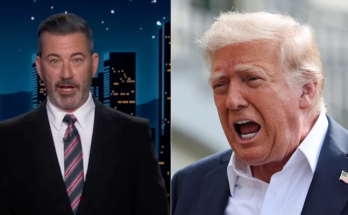
NEW YORK — October 25, 2026 — Comedian Desi Lydic took aim at President Donald Trump during a September episode of The Daily Show, using biting satire to criticize his administration’s restrictions on White House media access and his confrontational behavior toward journalists.
The segment, which aired on September 22, 2026, focused on Trump’s decision to restrict access for several major media organizations and his interactions with reporters during the United Nations General Assembly in New York.
Lydic mocked what she portrayed as the president’s tendency to turn disagreements with journalists into personal confrontations. Rather than presenting the moment as a direct exchange between Trump and the comedian, the segment used news footage, commentary and jokes to challenge the president’s approach to the press. (TheWrap)
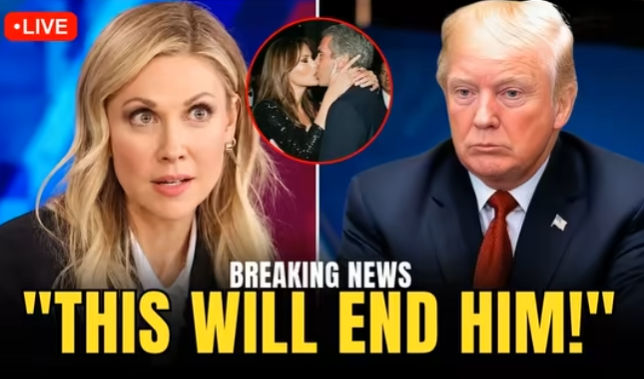
The episode has attracted renewed attention through online clips, although the sensational headline circulating on social media does not establish that a separate live confrontation occurred.
Lydic Takes Aim at Trump’s Relationship With the Media
During her monologue, Lydic criticized Trump’s response to media coverage and suggested that his confrontations with journalists had become a recurring feature of his presidency.
She also mocked the president’s public persona, joking that he appeared more interested in picking fights than behaving like a conventional political leader.
One of the segment’s sharpest lines described Trump as a “messy bitch who lives for the drama.” The remark formed part of a broader satirical argument about the president’s relationship with the press and his response to criticism. (TheWrap)
Lydic’s approach reflects the format of The Daily Show, which combines political news footage with comedy, commentary and exaggerated comparisons to critique public officials.
The program frequently uses humor to draw attention to contradictions between political statements and public behavior. In this case, Lydic focused on Trump’s disputes with news organizations and his reaction to questions from reporters.
White House Press Restrictions Become a Central Issue
The monologue followed controversy over the Trump administration’s restrictions on access for CNN, MS NOW and Politico.
The move prompted criticism from journalists and media advocates, who argued that limiting access to major news organizations could reduce the diversity of reporting available to the public.
The White House has defended its authority to establish media-access rules, while critics have questioned whether the restrictions represent an attempt to influence which outlets can question the president and his administration.
The dispute has become part of a larger national debate about the relationship between presidential power and independent journalism.
For Lydic, the controversy provided material for her argument that Trump’s public clashes with the media were not isolated incidents but part of a broader political strategy.
Her commentary also referenced Trump’s confrontation with CNN correspondent Kaitlan Collins outside the United Nations, where the president reacted angrily to a question about his activities in New York. (TheWrap)
The United Nations Adds Another Layer to the Controversy
Lydic also addressed Trump’s speech and behavior surrounding the United Nations General Assembly, where the president criticized international institutions and clashed verbally with journalists.
The annual gathering brings world leaders together to discuss international security, diplomacy, economic cooperation and humanitarian issues. Presidential appearances at the event often attract substantial media attention because they provide an opportunity for leaders to explain foreign-policy priorities and respond to international criticism.
Trump’s appearance generated additional headlines when he criticized the United Nations and exchanged sharp remarks with reporters covering his visit.
Lydic used the episode to contrast the seriousness of presidential responsibilities with what she portrayed as the president’s appetite for public disputes.
Her comments were comedic commentary rather than a formal policy assessment, but they tapped into an ongoing argument over how presidents should engage with a free press.
Why Political Comedy Continues to Attract Attention
Political satire has long played a role in American television, providing audiences with an alternative way to engage with political news.
Shows such as The Daily Show frequently take complicated developments—including executive decisions, legal disputes and international diplomacy—and present them through accessible jokes and commentary.
Lydic’s segment illustrates how satire can amplify debates that might otherwise remain within political or media circles. Her comments focused attention on the administration’s treatment of news organizations and the implications of restricting press access.
However, comedy segments should be distinguished from straight news reporting. A host’s interpretation or punchline may reflect an opinion about a political figure, rather than an independently established conclusion about the figure’s motives.
The controversy surrounding Trump’s media policies therefore requires considering both the documented restrictions and the arguments offered by the administration and its critics.
A Viral Headline Does Not Tell the Whole Story
The online headline describing Lydic’s “brutal reply” and a stunned live audience uses dramatic language, but available reporting does not establish a separate confrontation in which she responded directly to Trump in real time.
The verified event was a television monologue broadcast on September 22, in which Lydic reacted to news footage and criticized the president through satire.
That distinction matters as short clips circulate without their original context. Headlines can make a routine television monologue appear to be an extraordinary live confrontation, potentially obscuring what actually happened.
For viewers, the key is to separate the comedian’s jokes from the underlying political events: the White House press restrictions, Trump’s public disputes with reporters and the broader debate over access to government officials.
The Debate Over Press Freedom Continues
Lydic’s monologue reflects a larger question facing American journalism: how should the media hold political leaders accountable while maintaining access to the officials they cover?
Supporters of press restrictions argue that administrations should retain authority over how media access is managed. Critics counter that broad or selective restrictions can undermine transparency and limit the public’s ability to scrutinize government decisions.
The disagreement remains politically consequential because journalists serve as a key channel through which citizens learn about presidential actions, policy changes and government accountability.
For now, Lydic’s remarks remain an example of late-night satire responding to a wider dispute over media access—not evidence of a direct live exchange with the president.
As the administration continues to face scrutiny over its relationship with the press, the issue is likely to remain a subject of political debate, television commentary and public discussion.