Every other state dealing with Medicaid fraud is doing it the lazy way: across-the-board rate cuts that punish legitimate providers along with the fraudsters. Nebraska slashed autism therapy payments by up to 80%. Indiana floated payment caps. Colorado and New York are considering budget cuts that would gut access for kids who genuinely need care. That’s not fraud enforcement. That’s budget balancing dressed up as reform — and the families paying the price have every right to be furious.
Florida is doing it differently. And the rest of the country needs to pay attention.
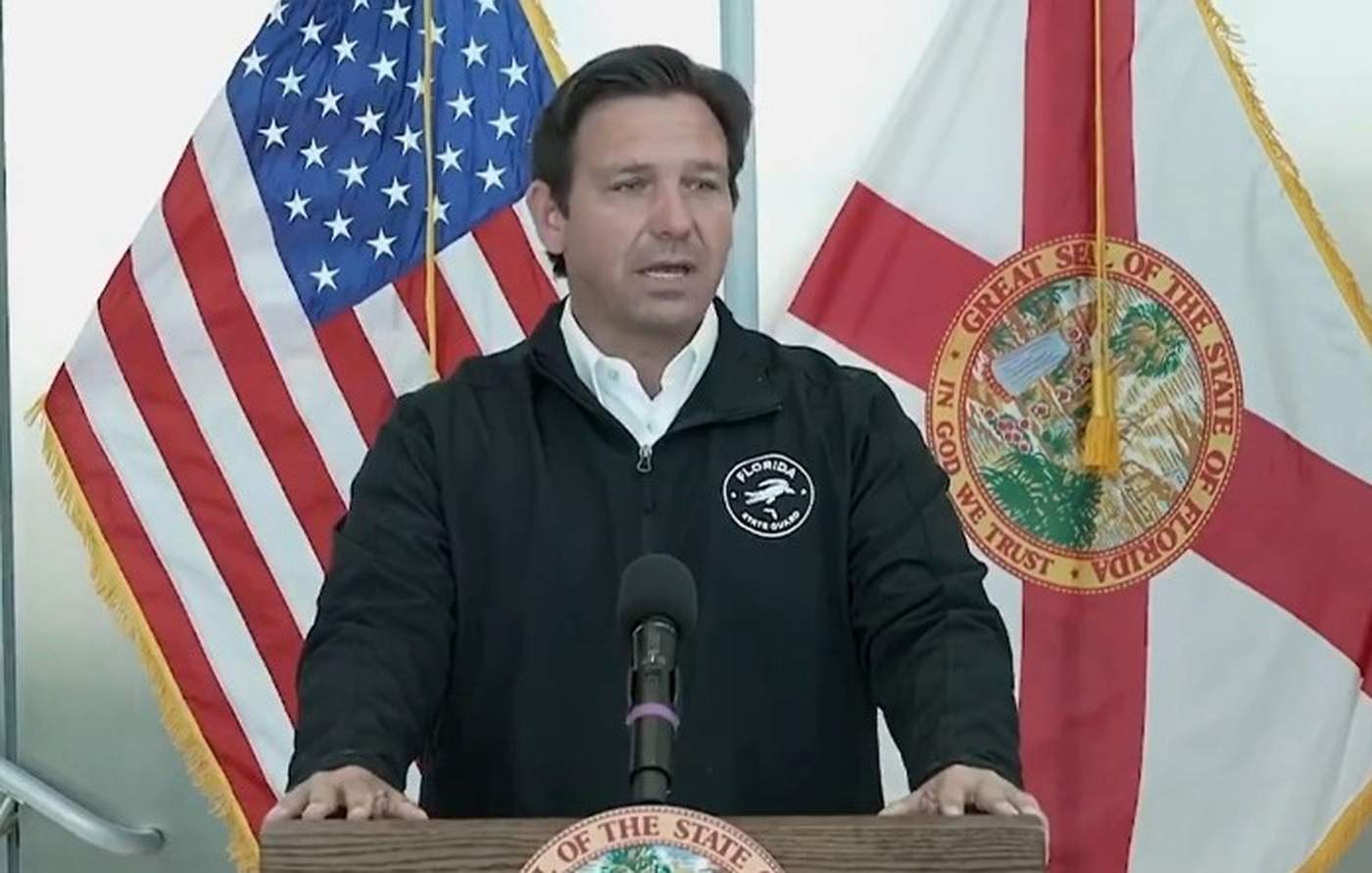
Last month, Governor DeSantis launched a statewide Medicaid Integrity Initiative built around one core principle: catch the fraudsters before they enroll, not years later after prosecutors show up with an indictment. Florida’s Agency for Health Care Administration is partnering with identity-verification firm SentiLink to detect stolen identities, synthetic identities, and hidden ownership structures at the enrollment stage. Every active Medicaid provider in the state has to revalidate credentials or get dropped. High-risk provider categories face enrollment moratoriums. No legitimate provider loses a dime for doing their job honestly.
The results justify the approach. Over the past two years, Florida has terminated or denied enrollment to more than 3,200 providers and recovered more than $72 million in improper payments. That money didn’t come from cutting therapy hours. It came from catching people who were billing for therapy that never happened.
The national scale of the problem explains why this matters so much. Senator John Kennedy documented Medicaid spending on autism therapy jumping 403% nationally between 2019 and 2024. Minnesota’s spending went from $670,000 to $342.8 million in that same period — a 50,988% increase — while federal prosecutors were charging clinic operators with billing $46.6 million for therapy sessions that allegedly never occurred. An HHS inspector general audit found at least $600 million in questionable billing across four states alone. This isn’t a rounding error. This is systematic, organized looting of a program that genuinely disabled children depend on.
Private equity is a significant driver of the problem. More than 500 autism centers have been acquired by private equity firms over the past decade — four out of five of those deals closing in just the last four years. When the same company profits from both the diagnosis and the therapy billing, the incentive runs toward more diagnoses and more hours billed, not better outcomes. Children on Medicaid are now 2.5 times more likely to receive an autism diagnosis than children on private insurance. Nobody serious thinks that gap is entirely medical.
Florida is targeting the fraud, not the therapy. That’s the right approach, and it requires exactly the enforcement infrastructure DeSantis is building.
There is one legitimate criticism worth making: the Palm Beach County families who lost coverage abruptly because their provider was dropped deserve a clear explanation and a fast path back to care if the provider did nothing wrong. Good fraud enforcement and good customer service for legitimate families aren’t mutually exclusive.
But the model itself is right. Every other state should be copying it.