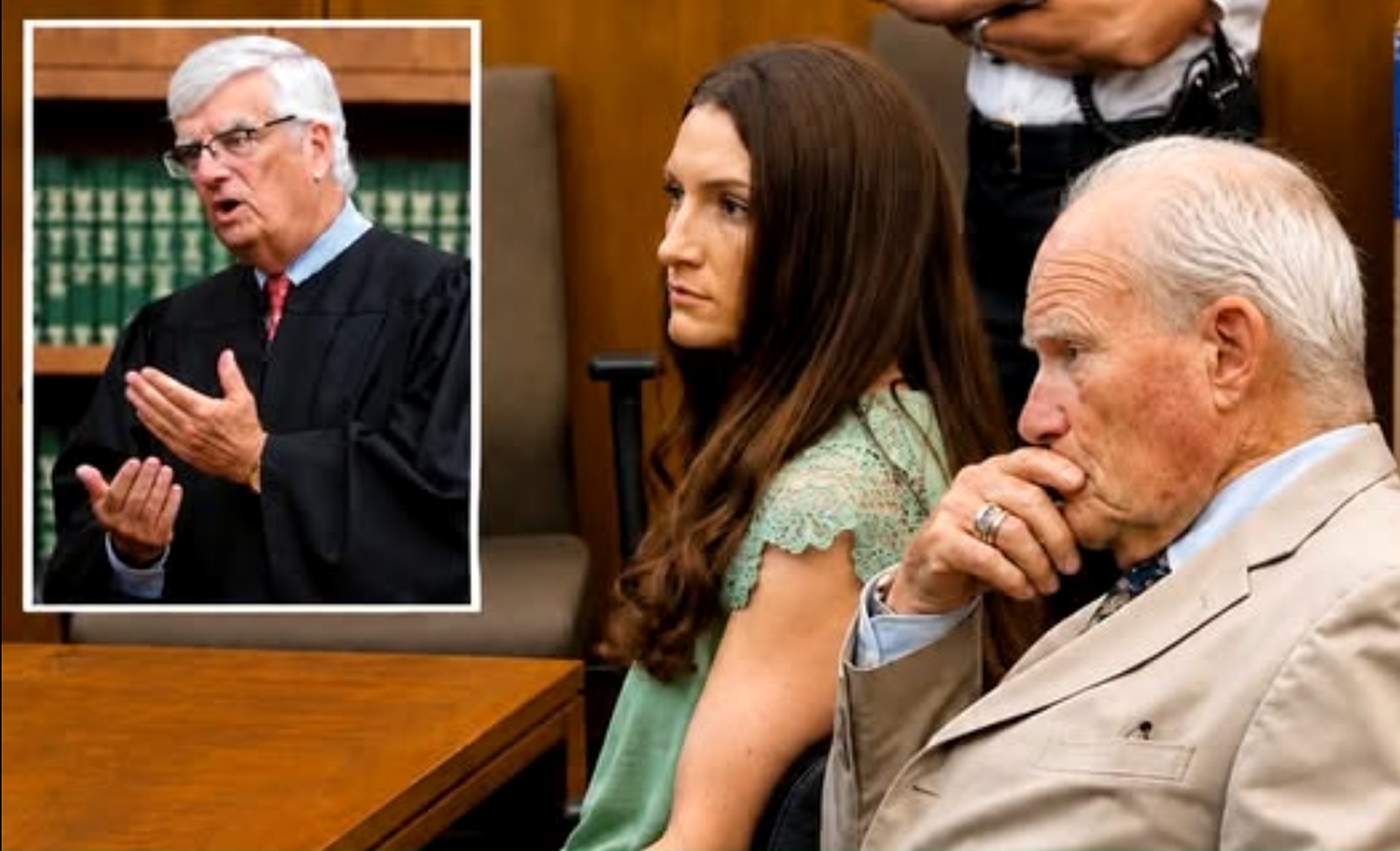
A Massachusetts mother accused of murdering her three young children will stand trial again after her first prosecution ended inconclusively.Plymouth Superior Court Judge William Sullivan scheduled Lindsay Clancy’s retrial for March 29, 2027, during a hearing Monday morning.
The decision follows months of legal disputes surrounding the horrific deaths that devastated a Massachusetts community in January 2023.
Prosecutors indicated they intend to pursue charges requiring a jury trial, signaling another prosecution involving first-degree murder indictments.
Clancy’s defense attorney, Kevin Reddington, acknowledged the significance of the prosecution’s position during Monday’s proceedings.“The die has been cast,” Reddington said.
The announcement represents another opportunity for prosecutors to establish criminal responsibility for the deaths of three defenseless children.
Clancy, 36, faces allegations stemming from the killings inside her family’s residence in Duxbury, Massachusetts.
The victims were five-year-old Cora, three-year-old Dawson, and eight-month-old Callan, whose deaths shocked Americans nationwide.Clancy’s attorneys have acknowledged that she killed her children but maintain that severe mental illness rendered her legally irresponsible.
Prosecutors contend Clancy understood her actions and deliberately orchestrated circumstances that allowed her to carry out the killings.
Evidence presented during her initial trial examined events preceding the children’s deaths, including her husband’s absence from their residence.
Clancy had sent her husband, Patrick, to collect food and complete an errand before the killings occurred.
Prosecutors argued that those arrangements demonstrated planning and awareness rather than an inability to comprehend her conduct.
Defense attorneys countered that Clancy was experiencing postpartum psychosis, a serious psychiatric condition that can profoundly impair judgment.
Clancy maintained that she heard a voice commanding her to kill her children before taking her own life.
Following the killings, Clancy attempted suicide and sustained serious injuries that left her partially paralyzed.She remains in custody at Tewksbury Hospital, where she continues receiving medical treatment while awaiting further judicial proceedings.
Her initial murder trial ended in September after jurors failed to reach the unanimous verdict required under Massachusetts law.
Eleven jurors favored acquittal based on lack of criminal responsibility, while one juror disagreed with that conclusion.
Sullivan subsequently declared a mistrial, leaving prosecutors legally capable of pursuing another trial under established constitutional principles.
Advertisement
Defense attorneys challenged that decision, arguing another prosecution would violate Clancy’s constitutional protection against double jeopardy.
Sullivan rejected their dismissal request last week, determining that the jury’s inability to reach agreement justified the mistrial.
The judge also rejected defense efforts to obtain additional information about the juror whose disagreement prevented a unanimous verdict.
His ruling preserved the prosecution’s opportunity to present its evidence before another jury without improperly discarding the original indictments.
Assistant District Attorney Jennifer Sprague indicated Monday that prosecutors would require a jury for the upcoming proceedings.
Reddington interpreted that statement as confirmation that authorities intended to continue pursuing the most serious murder charges.
Massachusetts law requires jury trials for first-degree murder charges, whereas certain lesser offenses permit trial before a judge alone.
A first-degree murder conviction could result in life imprisonment without the possibility of parole under Massachusetts law.
Monday’s hearing also featured disagreements surrounding scheduling, with prosecutors citing conflicts involving other pending criminal trials.
Defense attorneys favored an earlier hearing, arguing that Clancy should not remain incarcerated indefinitely while awaiting another verdict.
Sullivan ultimately selected March despite scheduling objections, prioritizing resolution before his anticipated mandatory retirement in June.
Additional pretrial conferences are scheduled for December 30 and February 18 ahead of jury selection.
Clancy’s attorneys have indicated they intend to appeal Sullivan’s double jeopardy ruling without delaying the scheduled retrial.
The upcoming proceedings will again examine the distinction between psychiatric illness and the legal standards governing criminal responsibility.
An insanity acquittal would not necessarily result in Clancy’s release, as psychiatric commitment proceedings could follow.
The prosecution must establish criminal liability under applicable Massachusetts law while respecting the defendant’s constitutional protections throughout the retrial.