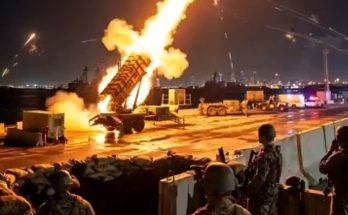
The Persian Gulf is again on high alert after Iran launched successive drone attacks on Bahrain this weekend, the first such strikes against a Gulf state since September.
Iran’s Islamic Revolutionary Guard Corps claimed on Sunday that six drones struck a U.S. air-defense radar at Al-Riffa air base. Bahrain’s military said its defenses intercepted the incoming threats before they reached their targets. Sirens sounded and authorities issued public alerts urging residents to seek shelter—the first such warnings in weeks. A similar Iranian claim and Bahraini interception occurred on Friday. U.S. Central Command previously said it had shot down two Iranian drones in the earlier incident with no casualties or damage. These attacks come amid an ongoing conflict that began in late February 2026, in which the United States and Israel have struck Iranian targets while Tehran has repeatedly targeted U.S.-linked military sites across the region.
U.S. forces maintain major installations in Bahrain, Qatar, Kuwait, and the United Arab Emirates, all of which have come under Iranian missile or drone fire at various points during the war. Bahrain hosts Naval Support Activity Bahrain, headquarters of the U.S. Navy’s Fifth Fleet, making it a strategically critical node. Iranian forces have previously claimed strikes on facilities linked to U.S. operations there, including radar and early-warning systems. Analyses of satellite imagery from earlier phases of the conflict documented damage to structures at U.S. sites in Bahrain and elsewhere. Claims of specific hits in any single barrage, however, require independent verification; local and U.S. authorities have frequently reported successful intercepts with limited or no confirmed damage.
In the UAE, Al Dhafra Air Base has been a recurring focus because of its role supporting U.S. air operations. Earlier in the conflict, Iranian strikes hit infrastructure and equipment there, according to regional military accounts and satellite assessments. Kuwait has also faced repeated attacks on locations supporting U.S. forces; its air defenses have engaged incoming threats on multiple occasions. Qatar’s Al Udeid Air Base, one of the largest U.S. military hubs in the Middle East, was targeted in the opening stages of the war and has faced subsequent threats. Satellite imagery previously showed damage to portions of U.S. infrastructure there. Across these sites, the pattern has been consistent: Iranian forces have demonstrated the ability to reach Gulf territory, while host nations and U.S. forces have relied on layered air defenses to limit effects.
The wider conflict has already spread beyond Iran’s borders. Gulf states that did not initiate the fighting have been forced to activate defenses and manage civilian alerts. A Pentagon-related review of the early months found damage or destruction at U.S. installations in multiple countries. The immediate priority for American and allied forces remains interception, damage assessment, and protection of personnel and infrastructure.
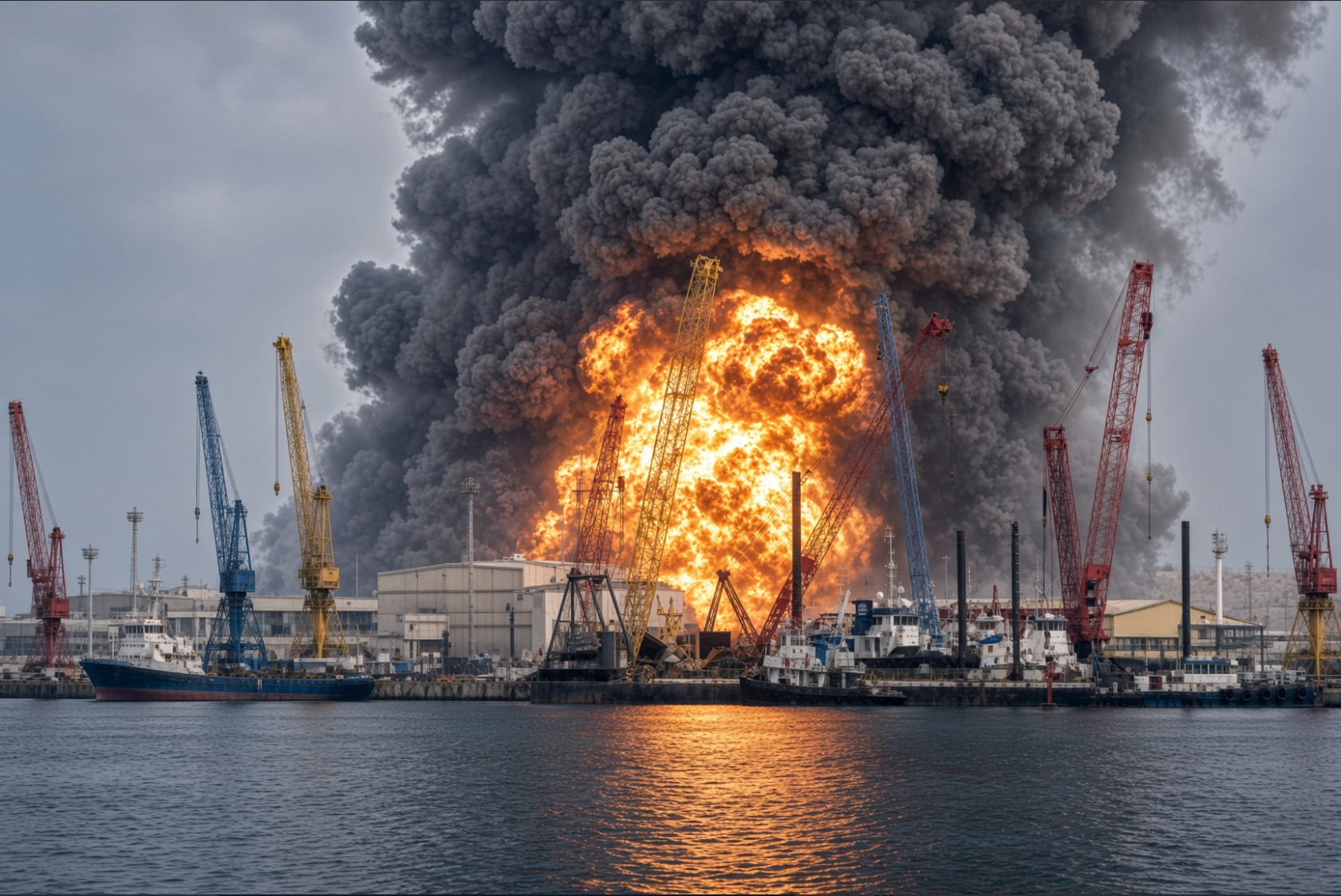
At the center of the economic stakes is the Strait of Hormuz. The narrow waterway normally carries a large share of global oil and gas exports. As of mid-November 2026, commercial traffic has fallen dramatically—reports based on AIS tracking put recent daily crossings at roughly 8 percent of pre-crisis levels. Iran has declared the strait closed to what it calls hostile shipping and has claimed responsibility for mines, drone, or missile attacks on tankers. The United States has facilitated some transit through a southern corridor and imposed a blockade on certain Iranian-linked vessels. Oil flows have partially recovered through a combination of residual traffic, alternative routes, and increased production elsewhere, but war-risk premiums remain elevated, shipping has been disrupted for more than 250 days, and markets continue to price in further shocks. Every additional attack near the strait or against Gulf infrastructure raises the risk of another spike in energy prices.
The conflict has not remained confined to Iranian territory. Tehran has shown both willingness and capability to strike U.S.-associated targets across the Gulf, while Washington continues to operate from bases in the region and to conduct strikes of its own. The result is a volatile cycle in which one further exchange can quickly draw in additional actors or infrastructure. For the forces and governments on the ground, the short-term task is defensive. For energy markets and global trade, the larger question is whether the next round of launches or naval incidents pushes the confrontation into territory that becomes even harder to contain. The Persian Gulf is already under sustained pressure; further major escalation would test the capacity of both sides to control the pace and scope of the fighting.