After weeks of military and economic escalation, President Donald J. Trump declared that the U.S. conflict with Iran is “very close to over,” citing what the administration sees as excessive pressure on Tehran
After weeks of military and economic escalation, President Donald J
After weeks of military and economic escalation, President Donald J. Trump declared that the U.S. conflict with Iran is “very close to over,” citing what the administration sees as excessive pressure on Tehran.
Advertisement The comments were made after Maria Bartiromo, host of Fox Business, implied that Trump had declared the war to be over. Trump did not, however, formally announce the end in recorded remarks.
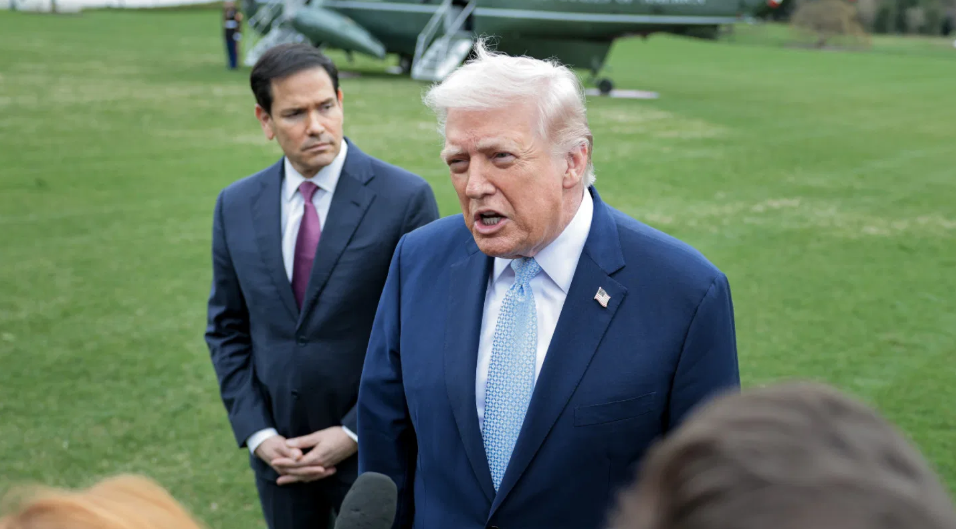
“I think it’s close to over, yeah,” Trump said. “I view it as very close to over… We’re not finished. We’ll see what happens.”
Advertisement The distinction reflects a larger reality: the U.S. campaign has severely limited Iran’s options, while active large-scale combat has slowed under a temporary ceasefire.
Coordinated American and Israeli strikes against Iran’s military hardware and nuclear infrastructure marked the start of the conflict on February 28. Since then, the Trump administration has increased economic pressure and broadened its strategy to include a naval blockade.
Advertisement One key tactic is the blockade of Iranian ports, especially those near the Strait of Hormuz. The U.S. has directly impacted Iran’s main source of income by limiting maritime travel and focusing on oil exports, exacerbating the consequences of already-imposed sanctions.
According to Trump, Iran’s long term potential has been seriously harmed
According to administration officials, Iran’s capacity to maintain a protracted conflict has been severely weakened by the combination of economic isolation and military strikes. According to Trump, Iran’s long-term potential has been seriously harmed.
Advertisement “If I pulled up stakes right now, it would take them 20 years to rebuild that country,” he said.
At the same time, indirect negotiations are underway, with Pakistan acting as an intermediary. While no agreement has been finalized, Trump indicated that Iran is showing increased willingness to engage.
“I think they want to make a deal very badly,” he said.
The current phase follows a two-week ceasefire that paused major hostilities but left key disputes unresolved. Confusion over the scope of the agreement — particularly regarding Israeli operations in Lebanon — has underscored the fragile nature of the pause.
Despite that uncertainty, the strategic balance appears to have shifted
Despite that uncertainty, the strategic balance appears to have shifted. Iran continues to face mounting economic strain, while its ability to escalate militarily is constrained by the risk of further U.S. action.
The key question now is whether that pressure translates into a negotiated outcome or triggers another phase of escalation.
Trump’s comments suggest confidence that the current trajectory favors the United States, even as he acknowledges the conflict is not yet fully resolved.
For now, the war is not officially over. But by the administration’s own assessment, the balance has shifted significantly — and the endgame may be approaching.
The administration’s posture suggests a calculated effort to lock in strategic gains without committing to a prolonged conflict. By signaling that the war is nearing its end, while maintaining pressure points such as the naval blockade and sanctions, officials appear to be positioning the U.S. to negotiate from what they see as a position of strength.