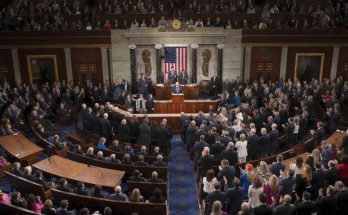
During the Senate’s marathon “vote-a-rama” session on June 4, Sen. Mike Lee (R-UT) forced a vote on the House-passed version of the SAVE America Act.
The amendment passed by a vote of 50-49, giving the measure majority support in the chamber. However, because the proposal was offered as a waiver to budget rules within the reconciliation process, Senate rules required a three-fifths supermajority, or 60 votes, for adoption.
Every Democrat voted against the amendment, preventing it from reaching the threshold needed for passage. The vote represented a notable improvement from an earlier election-integrity amendment offered by Sen. Lindsey Graham (R-SC), which failed 48-50 after four Republican senators joined Democrats in opposition.
The legislation would require proof of U.S. citizenship for federal voter registration and strengthen voter identification requirements nationwide
GOP Sen. Susan Collins of Maine, Lisa Murkowski of Alaska, Mitch McConnell of Kentucky, and Thom Tillis of North Carolina all opposed it.
When Lee later introduced the clean House version of the legislation, Collins switched her vote and joined the rest of the Republican conference in support of the measure.
The final 50-49 tally demonstrated that supporters of the SAVE Act can assemble a Senate majority behind the legislation, though not the supermajority required under current Senate rules.
That earlier proposal included additional provisions beyond the House-passed SAVE Act
Vice President JD Vance, who serves as president of the Senate and can cast tie-breaking votes, was available if needed, meaning supporters effectively demonstrated they could secure 51 votes in favor of the proposal.
🚨 BREAKING OVERNIGHT: The SAVE America Act GOT 50 VOTES thanks to Sen. Susan Collins voting in favor of Mike Lee's amendment
— Eric Daugherty (@EricLDaugh) June 5, 2026
THEY JUST PROVED IT CAN GET 51 VOTES, with JD Vance as a tie-breaker!
This version of the bill still contains voter ID and proof of citizenship 🔥
But… https://t.co/oqNHnuwk7z pic.twitter.com/vwzdlcIJyA
Supporters of the legislation argue that requiring documentary proof of citizenship would help ensure that only eligible citizens participate in federal elections and would increase public confidence in election outcomes.
The SAVE America Act has become one of the Republican Party’s top election-related priorities heading into the 2026 midterm elections.
Murkowski, McConnell, and Tillis continued to oppose the amendment
Republican leaders have repeatedly pointed to citizenship verification as a key election security issue, while opponents argue that existing safeguards already prevent non-citizens from voting and that additional documentation requirements could create barriers for eligible voters.
The vote also intensified debate surrounding the Senate filibuster.
Thursday night’s vote reinforced that reality.
The legislation previously passed the House and has received strong backing from President Trump, Vice President Vance, and conservative advocacy groups
Although supporters secured a majority, they remained 10 votes short of the threshold required to overcome procedural objections and attach the measure to the broader reconciliation package.
Still, Republicans quickly pointed to the vote as evidence that the legislation enjoys majority support within the Senate.
The vote also places renewed attention on Senate rules and whether Republican lawmakers will seek alternative strategies to advance the legislation in the future.