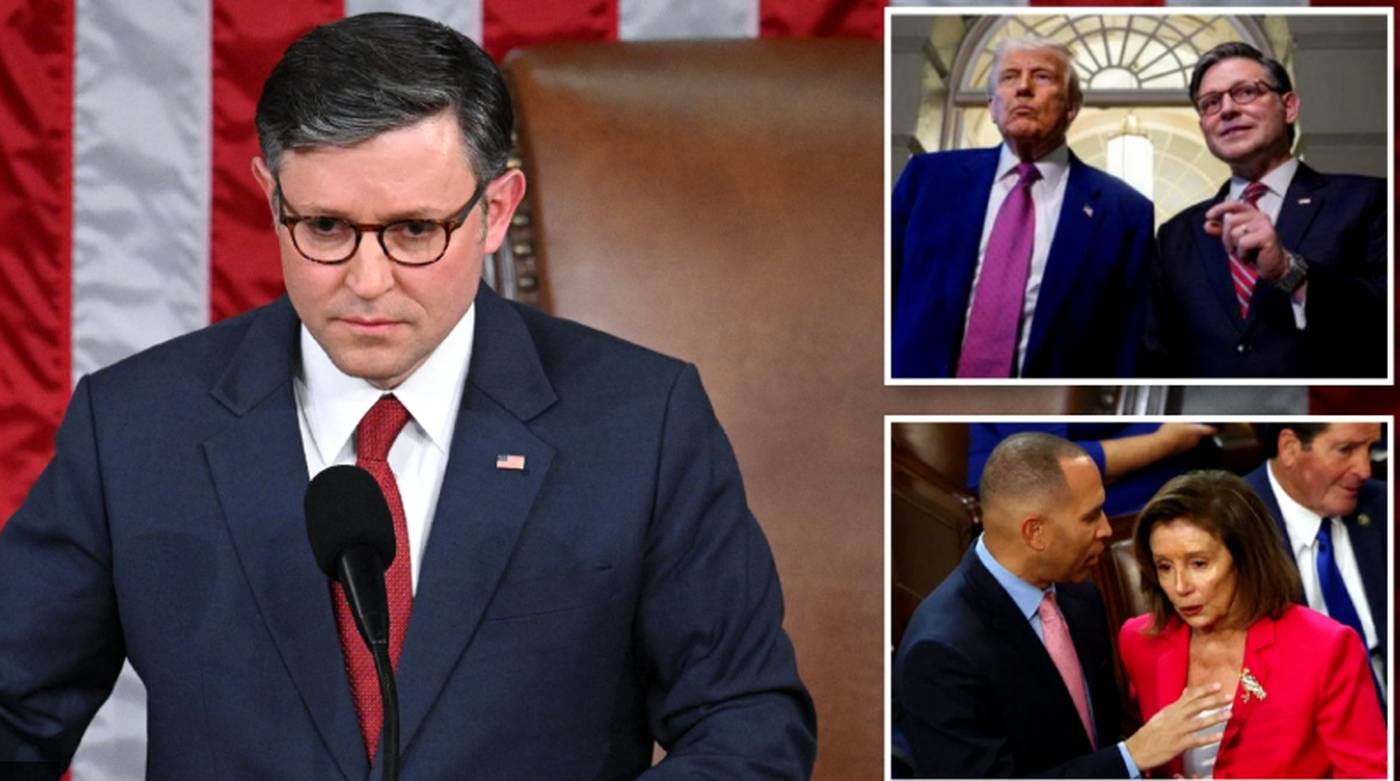
House Republicans scored a key win for American taxpayers Wednesday, passing H.R. 8464, the Stopping Fraudulent Payments Act, by a vote of 218-206.
This will empower agencies and the Treasury Department to pause suspicious payments before taxpayer dollars vanish into the hands of fraudsters.
Sponsored by House Oversight Committee Chairman James Comer (R-Ky. ), the bill addresses the epidemic of improper payments that drain hundreds of billions from federal programs each year.
It requires agencies to temporarily pause, condition, or segment payments when there is an elevated risk of fraud based on documented indicators
The Treasury must return flagged vouchers for review if the Do Not Pay system signals potential abuse.
Chairman Comer hailed the measure on the House floor as long-overdue common sense.
Congress must take further action to stop fraud before it happens
The Stopping Fraudulent Payments Act adds critical safeguards to ensure federal payments go to the right recipient in the right amount before funds are awarded or disbursed,” Comer stated.
He pointed to Oversight Committee investigations revealing massive fraud, including billions stolen from Minnesota’s social services programs.
House Republican Conference Chairwoman Lisa McClain (R-Mich. ) echoed the urgency.
Washington has spent years treating fraud like a cost of doing business
Taxpayers are stuck footing the bill while bureaucrats chase money that is already spent. That is backwards. House Republicans are changing the system so fraudsters get stopped before they get paid,” McClain declared.
Comer added in a committee release: “American taxpayers are rightfully outraged when their hard-earned money is stolen by criminals while the federal and state agencies responsible for preventing fraud look the other way. The House Oversight Committee has exposed widespread fraud in state-administered federal programs, including the theft of $9 billion from Minnesota’s social services programs.
”
The bill builds directly on President Trump’s and Vice President JD Vance’s aggressive anti-fraud task force efforts, complementing the Department of Government Efficiency (DOGE) initiative.
By moving from reactive recovery to front end prevention, supporters say it will deliver massive savings and restore accountability to a broken system
Democrats largely opposed the measure, with nearly all voting no amid concerns about expanded executive authority and potential delays in benefits.
Six Democrats crossed the aisle in support. Critics on the left argued that the bill grants too much discretion to agencies and the Treasury, potentially affecting legitimate recipients of programs like Social Security, Medicare, and state aid.
However, the bill includes guardrails that require actions to be narrowly tailored, evidence based, and time limited
The significance of H. R. 8464 cannot be overstated.
Federal improper payment estimates routinely exceed $200 billion annually across programs, with fraud in areas like Medicaid, unemployment insurance, and pandemic relief representing some of the worst examples.
The “pay and chase” approach has proven inefficient, with low recovery rates leaving taxpayers on the hook
This legislation flips the script, giving tools to frontline officials and the Treasury to verify eligibility before funds leave the vault.
For hardworking families, it means more resources stay in legitimate programs rather than being siphoned off.
Industry and taxpayer watchdogs, including the National Taxpayers Union, praised the reforms for promoting fiscal integrity without new spending
With passage in the House, the bill now heads to the Senate, where Republicans hope for swift consideration and eventual signing by President Trump.
Its alignment with the administration’s priorities suggests strong momentum, though Senate Democrats may attempt to slow or amend it.
Oversight Chairman Comer and allies vow to keep pushing until it becomes law
In an era of record national debt, the Stopping Fraudulent Payments Act represents a concrete step toward restoring trust in government and ensuring every taxpayer dollar serves its intended purpose.
House Republicans framed the vote as a clear choice: protect taxpayers or preserve the status quo of waste and abuse.