
The Middle East is on the brink of a military confrontation that could alter the balance of power in the region.
The United States has initiated a countdown for a potential ground and amphibious operation against Iran, signaling a shift from diplomatic efforts to military readiness.
The Gulf waters are currently teeming with the world’s most elite and lethal military units, poised to execute a meticulously planned assault.
Among these forces is the renowned 82nd Airborne Division, a unit with the capability to turn the tide of war within a mere 18 hours.
This division, known for its speed and agility, is a vital component of the U.S. military strategy, and its deployment has raised alarms among military analysts and observers alike.

At the heart of this operation is the E-2D Advanced Hawkeye early warning aircraft, which patrols the skies, providing real-time intelligence to Washington.
These aircraft are equipped to detect even the slightest movements on the islands, ensuring that U.S. forces maintain a tactical advantage.
Meanwhile, U.S. warships are strategically positioned in the Gulf, prepared to sever all logistical lines leading to Iran’s strongholds.
The current administration has presented the most aggressive scenarios to reopen the Strait of Hormuz, a critical passage for Iran’s oil exports, which could significantly impact the global economy.
The 82nd Airborne Division, nicknamed the “All-American,” has a storied history as the U.S. Army’s oldest and most distinguished airborne unit.
With approximately 18,000 soldiers, this division consists of four combat brigades and various support units, designed to respond swiftly to crises.

Operating under the concept of three-dimensional warfare, the division utilizes light armored vehicles, air-deployable artillery, and integrated logistical support to conduct operations effectively.
On March 6th and 7th, 2026, the division’s scheduled military exercise in the Middle East was abruptly canceled, indicating a shift in focus towards operational readiness.
Images circulated on social media showing soldiers boarding C-17A Globe Master 3 heavy transport aircraft, heading to the Middle East, intensifying speculation regarding their mission.
Historically, deployments of this magnitude by the 82nd Division have been rare, occurring only a few times in the last two decades, each followed by significant military operations.
So how does the U.S. plan to execute an operation against Iran’s strategically located islands?
The operation will likely focus on the Abu Musa and Little Tumb Islands, relatively small targets that could be seized within 18 hours by a rapid deployment force.
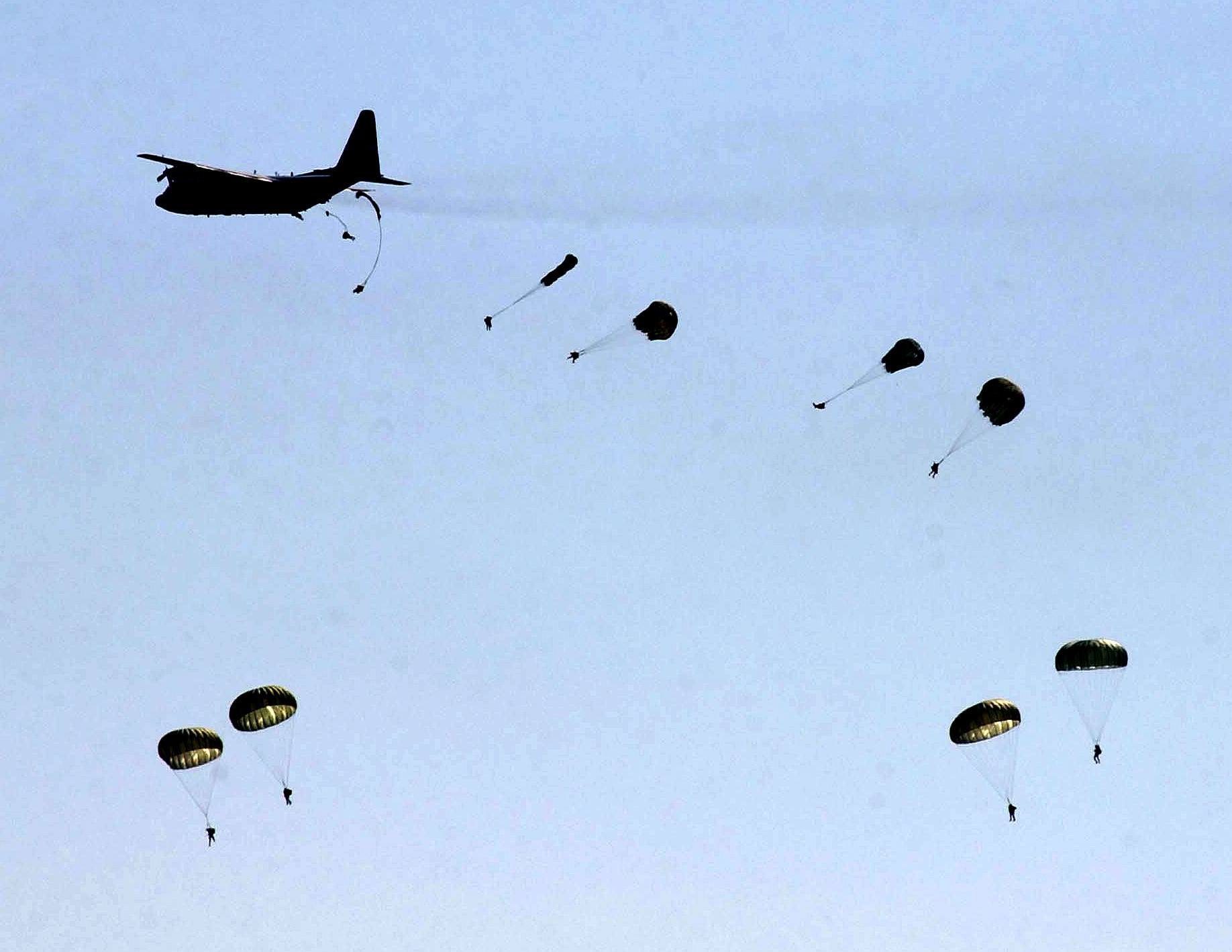
A force of 500 to 1,000 soldiers could effectively take control of these islands, which hold strategic importance at the entrance to the Strait of Hormuz.
The initial phase of the operation would involve neutralizing Iran’s radar stations and missile launchers situated on these islands.
Supported by light armored vehicles and artillery, airborne units would swiftly dismantle these military capabilities.
However, Greater Tumb Island presents a more formidable challenge due to the Iranian Revolutionary Guards’ stronger presence and coastal defense systems.
To overcome this, the 82nd Division may employ night operations to bypass coastal defenses, landing troops in the island’s interior.
The strategic significance of these islands cannot be overstated; controlling them would grant the U.S. a critical foothold in the region.
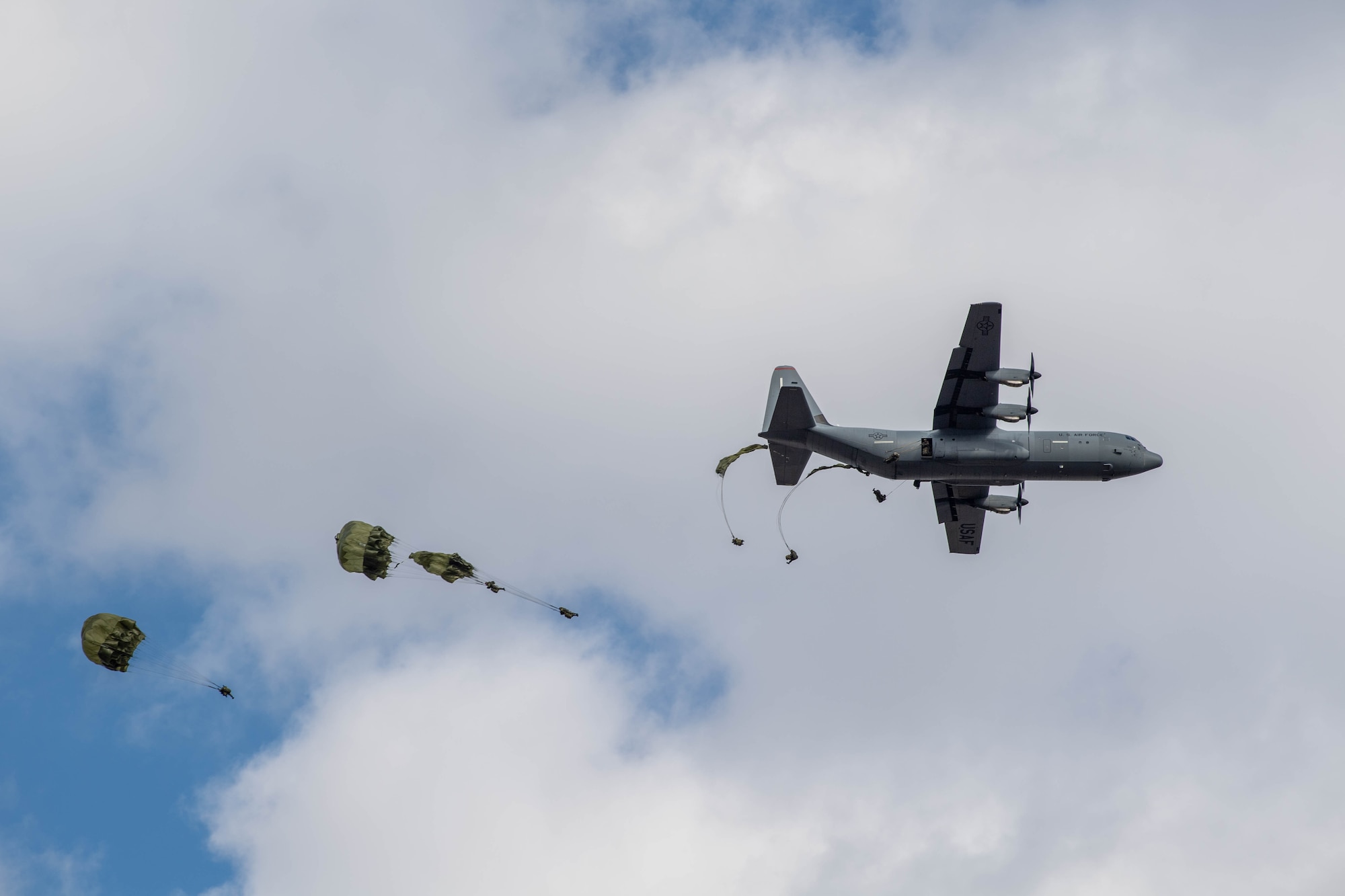
Car Island is another crucial target, as it is the conduit through which 90% of Iran’s oil exports flow.
The 82nd Division could play a supporting role here, assisting Marines in securing the oil terminal and essential infrastructure, including desalination plants that are vital for both military operations and local residents.
Established in 1917, the 82nd Airborne Division has a rich history, having participated in numerous significant military campaigns, including the Normandy landings during World War II.
Known as America’s honor guard, this division has consistently been the first to respond in times of crisis, making it a prime candidate for the upcoming operation against Iran.
In addition to the 82nd Division, the 31st Marine Expeditionary Unit, comprising approximately 2,200 to 2,500 Marines, is also on standby.
Deployed on March 14, 2026, the unit specializes in island seizure operations and is equipped with advanced aircraft and hovercraft for amphibious assaults.
![DVIDS - Images - 82nd Airborne Division Paratroopers Jump Into Latvia [Image 6 of 8]](https://d1ldvf68ux039x.cloudfront.net/thumbs/photos/1806/4466626/1000w_q95.jpg)
Their primary target may be Car Island, where an amphibious landing could facilitate the capture of the oil terminal and associated infrastructure.
The 11th Marine Expeditionary Unit, also en route, will further bolster U.S. forces in the region, potentially increasing the total number of Marines to 7,000 to 10,000.
While the Marine Corps represents the visible face of the operation, a quieter yet deadlier force is being prepared behind the scenes.
The 161st Special Operations Aviation Regiment, known as the Nightstalkers, is an elite helicopter unit specializing in low-altitude night flights.
In March 2026, activity involving this unit surged, indicating preparations for potential high-stakes missions.
Working alongside Delta Force, the Nightstalkers are expected to conduct precision raids on critical targets, including uranium stockpiles and military facilities.

As the operation unfolds, establishing air superiority will be paramount.
The E-2D Advanced Hawkeye aircraft will play a crucial role in detecting and neutralizing Iranian threats, while electronic warfare assets will jam Iran’s radar systems.
The operation is expected to proceed in four phases: establishing air and sea superiority, deploying ground forces, conducting amphibious landings, and consolidating captured areas.
However, experts caution that while capturing these islands may be achievable, holding them could prove to be an arduous task.
Iran possesses a sophisticated array of asymmetric warfare capabilities, including ballistic missiles and drones, which could be deployed against U.S. forces.
As the 82nd Division parachutes onto the Tumb Islands, Iran could retaliate by targeting landing zones with rocket artillery.
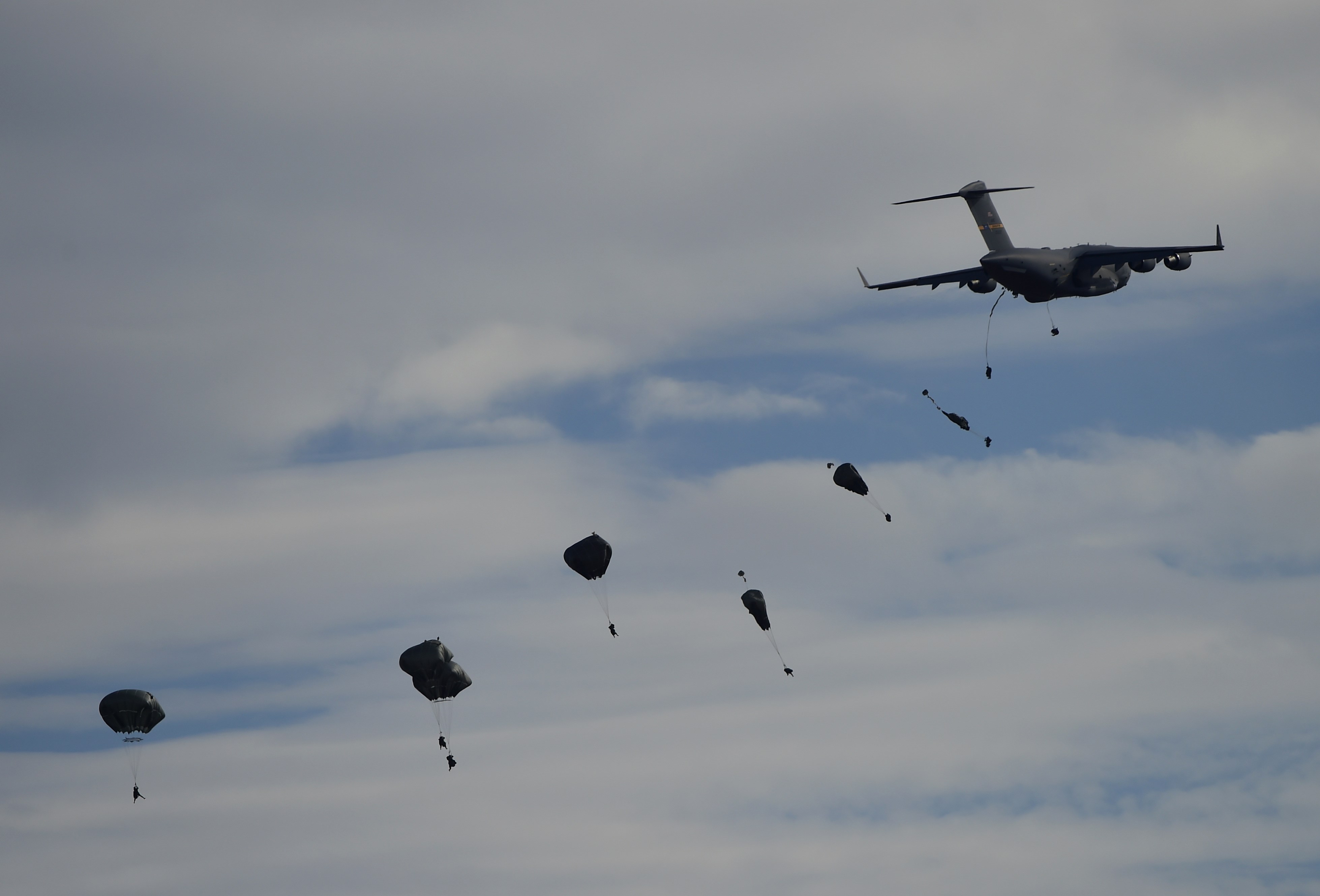
The potential for a multi-front conflict looms large, with Iran’s allies in the region possibly launching coordinated attacks against U.S. interests.
The stakes are undeniably high, and the outcome of this operation could have far-reaching implications for the region and beyond.
Gulf nations, while not directly involved in the ground assault, have established a significant support network for U.S. operations.
Saudi Arabia has opened its air bases for U.S. use, enhancing operational capacity and demonstrating its commitment to countering Iranian aggression.
As tensions continue to rise, the world watches closely, awaiting the next move in this high-stakes geopolitical chess game.
The risks and uncertainties are immense, but the U.S. remains resolute in its mission to neutralize Iran militarily.