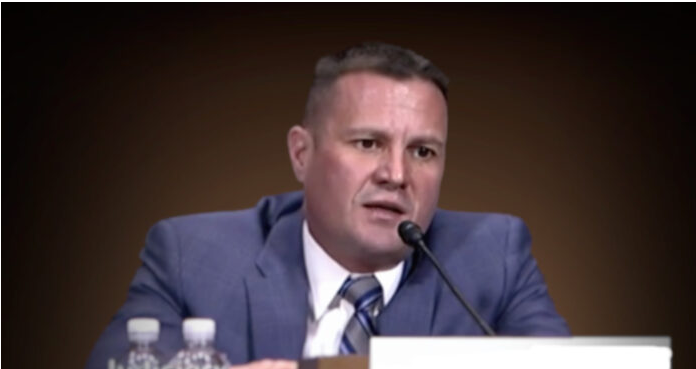
Bradley Cadenhead Appeal Denied: 80-Year Sentence Upheld in 764 Case
Bradley Cadenhead appeal denied — a federal judge in Texas upheld the 20-year-old’s 80-year prison sentence on Tuesday, March 10, 2026. U.S. District Judge Mark Pittman, appointed during the Trump administration, rejected Cadenhead’s claims of ineffective counsel and inadequate consideration of mitigating factors. The ruling ends Cadenhead’s latest challenge to his 2023 conviction for child pornography and related charges tied to the extremist online network “764.”
The case draws national attention because of the disturbing nature of the group Cadenhead founded as a teenager. Law enforcement and experts describe 764 as a nihilistic, violent network that grooms minors, distributes child exploitation material, and encourages self-harm and animal cruelty. The denial reinforces the severity of the original sentence and highlights ongoing federal efforts to dismantle such online networks.
Background on Bradley Cadenhead and the 764 Network
Bradley Cadenhead created 764 on Discord at age 15. He named it after digits from his Texas ZIP code. The group quickly grew into what the FBI calls a nihilistic extremist movement fueled by hatred for humanity and a desire for societal collapse.
Members allegedly groomed minors online. They coerced victims into acts such as:
- Self-harm (carving names into skin)
- Animal cruelty
- Recording degrading or suicidal content
Federal and state investigators linked Cadenhead to possession and distribution of child pornography. He pleaded guilty in 2023. A judge sentenced him to 80 years in prison.
The case shocked many because of Cadenhead’s young age and the extreme content involved. Republican Erath County District Attorney M. Alan Nash warned against parole in 2023. He described materials showing interest in “infant murder and sexual assault,” “child mutilation,” and “human self-mutilation.” Nash called Cadenhead “dangerous.”
Details of the Recent Appeal and Judge’s Ruling
Cadenhead argued his trial lawyer provided ineffective help. He claimed counsel pushed a guilty plea without exploring a psychological assessment. He also said his troubled upbringing—including bullying and exposure to violent content—was not properly weighed at sentencing.
Judge Mark Pittman rejected both claims. In his ruling, Pittman noted the arguments largely repeated points already dismissed in a prior state appeal. The judge found no merit in claims of ineffective assistance or overlooked mitigation.
Court records show the decision keeps the full 80-year term intact. Cadenhead will likely serve decades behind bars.
Why the 764 Network Alarms Parents and Law Enforcement
The group targets vulnerable minors on platforms like Discord. Victims often face blackmail after sharing images or performing acts. Some cases involve extreme self-harm or animal cruelty recorded for group approval.
Former FBI Deputy Director Dan Bongino warned parents about 764 earlier this month on his radio show. He urged listeners to look up the group. Bongino called it “disgusting” and “horrifying.” He shared details from FBI briefings during his time at the bureau.
Parents in Seattle and across the country pay close attention. Online grooming remains a serious risk. Experts recommend monitoring children’s Discord use and discussing online safety early.
Broader Implications for Online Extremist Networks
The upheld sentence sends a strong message. Federal prosecutors treat these cases with urgency. The Justice Department continues targeting similar groups that exploit social platforms for criminal ends.
Cases like Cadenhead’s show how quickly online networks can turn dangerous. They often start small but spread fast. Law enforcement now prioritizes early intervention and platform cooperation to stop harm before it escalates.
From my perspective following national security and online crime reports, these convictions matter. They protect kids and disrupt groups that thrive on anonymity and cruelty.
What Parents and Communities Can Do
Stay vigilant with these practical steps:
- Talk openly with kids about online risks
- Use parental controls on Discord and other apps
- Monitor for signs of grooming or self-harm
- Report suspicious activity to the National Center for Missing & Exploited Children (1-800-THE-LOST)
- Learn more from trusted sources like the FBI’s website or local law enforcement
Small actions at home make a difference. Awareness saves lives.
For the latest court updates, check the Virginian-Pilot or Daily Caller News Foundation. Official DOJ press releases provide accurate case details.
What concerns you most about online extremist groups like 764? How do you talk to your kids about internet safety in Seattle? Share your thoughts below. Stay informed and keep your family safe.