In the dead of night, as the clock ticked past 2:00 AM, the United States military found itself at a crossroads.
Hours after Iranian missiles had struck Allied targets across the region, the decision was made to respond with overwhelming force.
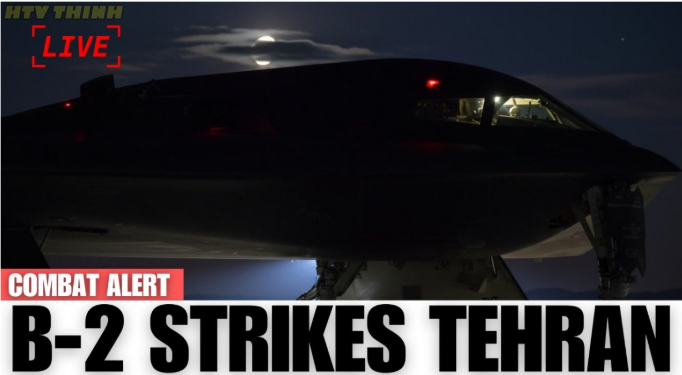
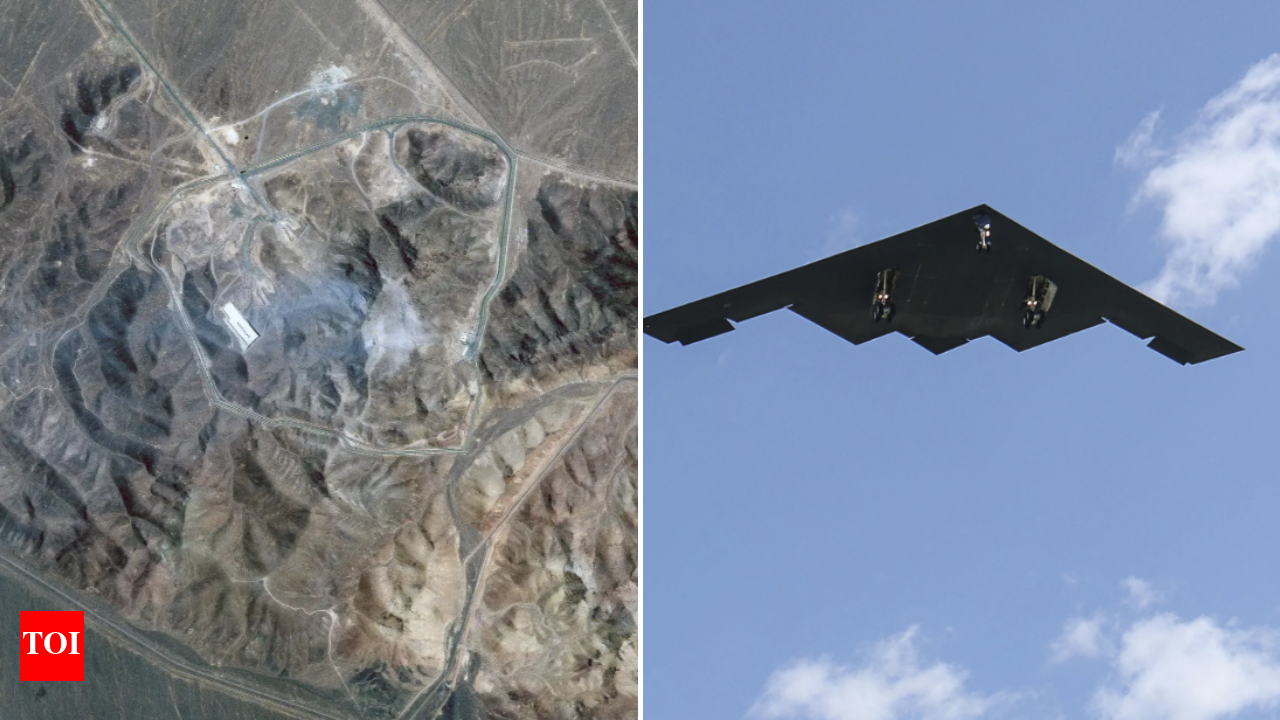
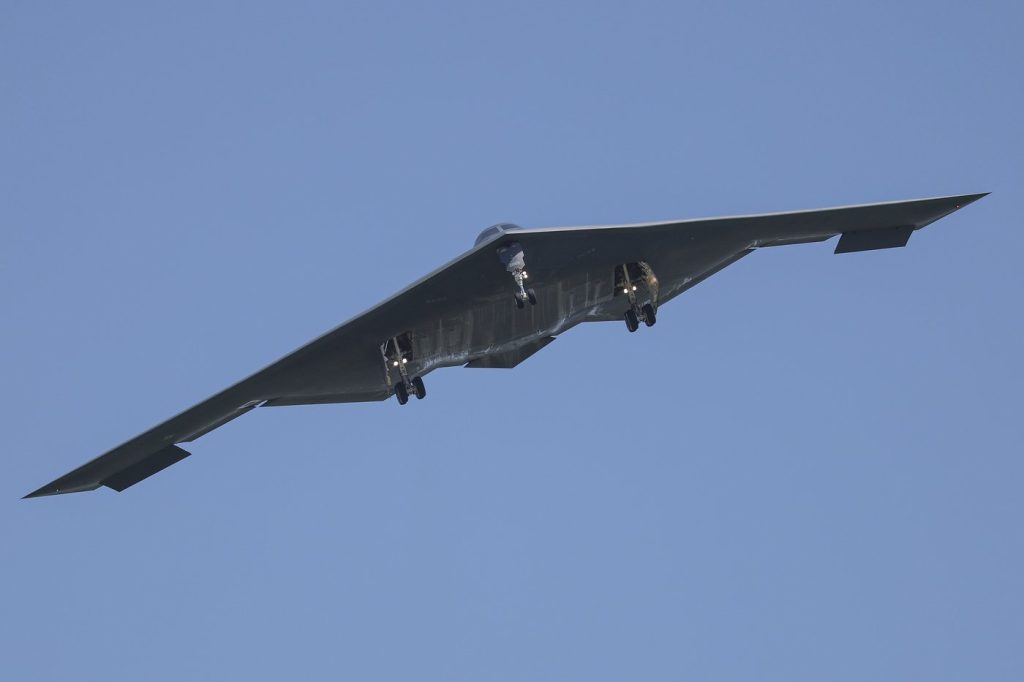
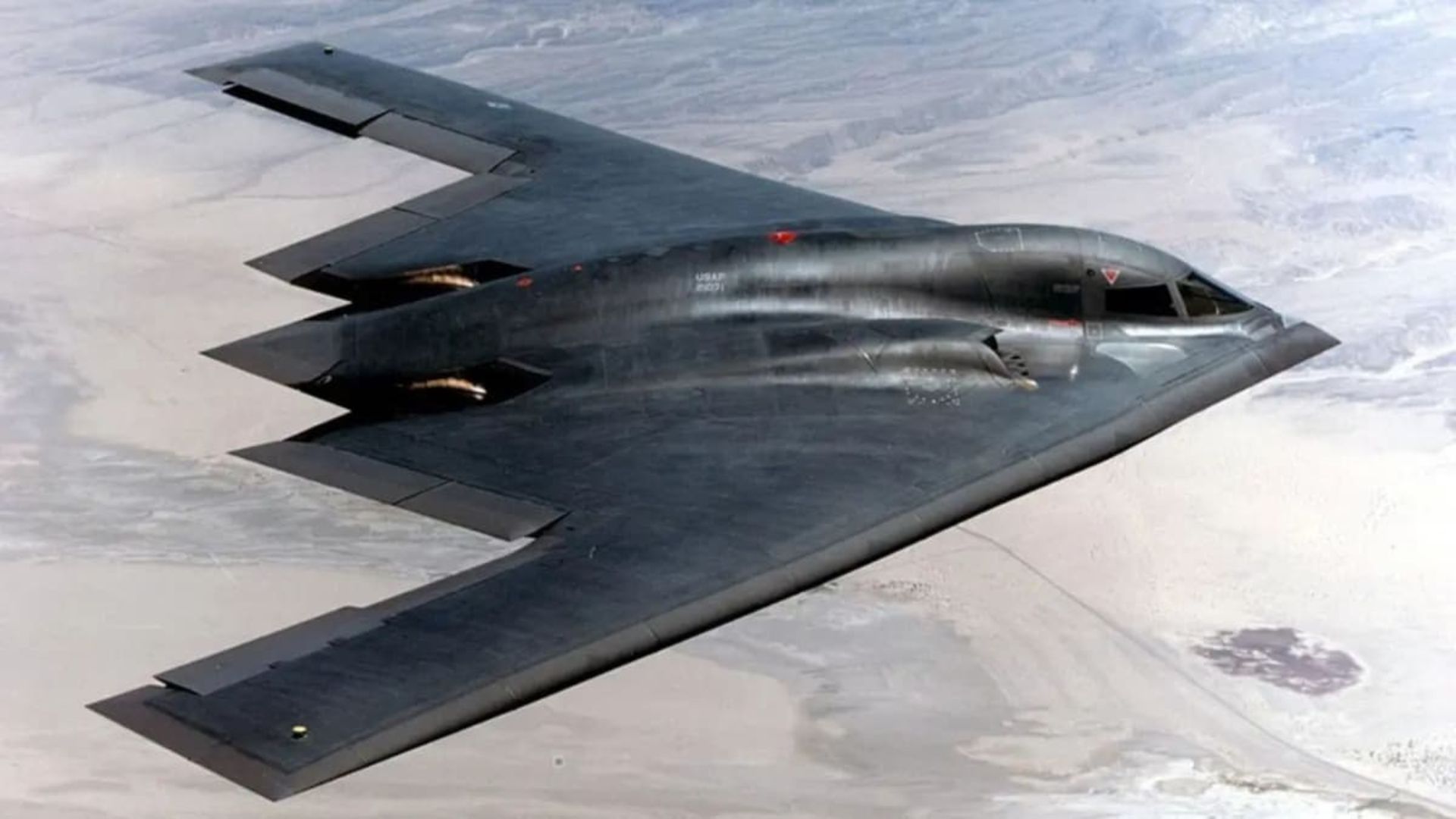
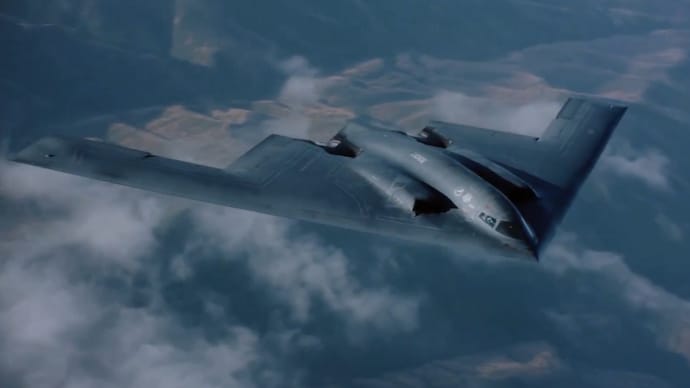
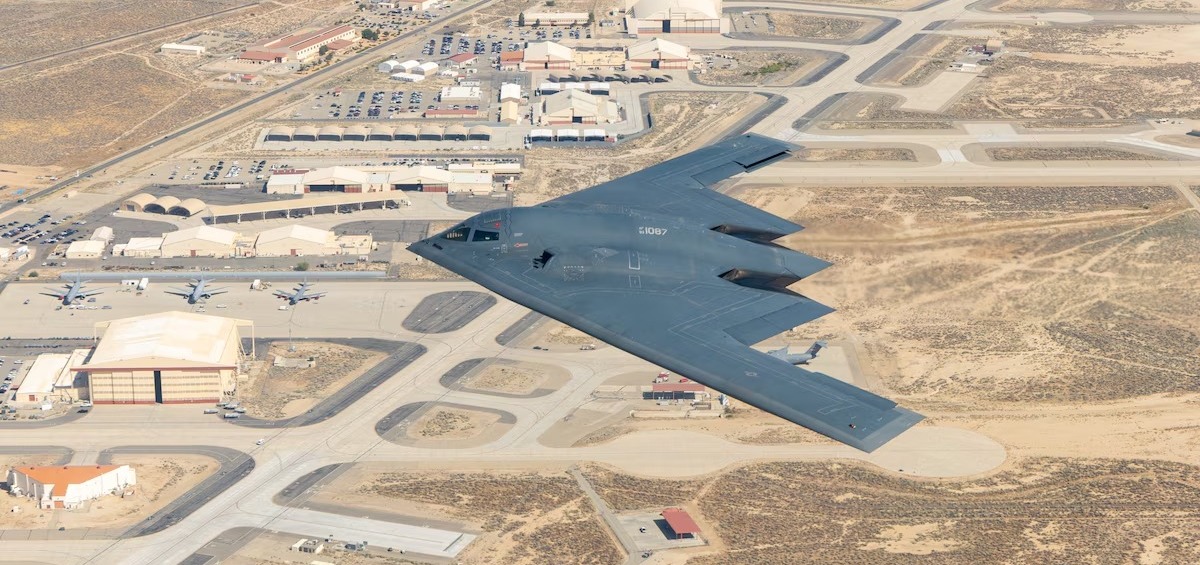
The aircraft chosen for this critical mission was none other than the B-2 Spirit Stealth Bomber, an aircraft revered for its ability to penetrate the most heavily defended airspaces without detection.
The order for the strike came swiftly, leaving maintenance crews with mere hours to prepare a strike package capable of reaching hardened bunkers buried deep beneath Iranian soil.
As the sun dipped below the horizon, the ground crews sprang into action, working tirelessly to ensure the bombers were ready for their daunting mission.

By midnight, the flight line was buzzing with activity.
The B-2 Spirit, a marvel of aviation engineering, was towed out of its climate-controlled hanger and positioned on the tarmac.
Inside its bomb bay, two GBU-57 Massive Ordnance Penetrators, the largest conventional bombs in the U.S. arsenal, were loaded.
Each bomb weighed an astonishing 30,000 pounds and was designed to punch through over 200 feet of reinforced concrete before detonating, making them ideal for the fortified Iranian targets.
With the weapons loaded, the only thing left to consider was the distance.
The B-2 could carry approximately 167,000 pounds of fuel, but even that was not enough for a round trip to Iran and back.
Multiple aerial refueling stops would be necessary to ensure the bombers could complete their mission.
Calculations were made, and tankers were tasked with the critical duty of refueling the bombers mid-flight.
Somewhere in the ground crew, a man was running numbers in his head—not in miles, but in hours.
As the shift began at dusk, the crew knew they were in for a long night.
The bombers needed to be fully fueled before they left and would need to be topped off multiple times before reaching their targets.
Nothing about this mission was short or simple.
The aerial refueling plan was meticulously set, with multiple contacts arranged along the route.
The B-2s would not stop; they would take on fuel in flight over open water and keep moving toward their destination.
Meanwhile, on the tarmac, the work continued unabated.
Ground crews dragged portable pumping stations from aircraft to aircraft, connecting heavy hoses and equipment in a precise sequence.
While the bombers were being fueled, the pilots were busy preparing for the mission ahead.
The B-2s would not fly alone; an escort package comprised of F-35 Lightning IIs and AV-8B Harrier IIs was assigned to accompany them.

These escort fighters would rotate in and out along the route as each element reached its fuel limit and peeled off for a fresh supply.
The F-35 Lightning II, a fifth-generation multi-role fighter built for contested airspace, would lead the bombers into the first stretch of their journey.
The pilots took their time, knowing they had the luxury of preparation.
They chatted and assisted each other with their gear, checking oxygen masks, adjusting straps, and ensuring helmets were securely seated.
These men were preparing for an incredibly long day, and their calm demeanor reflected the seriousness of their task.
At dawn, they made their way to their aircraft, knowing the flight ahead would be long and fraught with challenges.
Each pilot meticulously checked their personal equipment: flight suits, helmets, oxygen systems, and survival vests, signing off on every item before starting the engines.
One by one, the fighter pilots climbed into their cockpits, strapping in and preparing for takeoff.
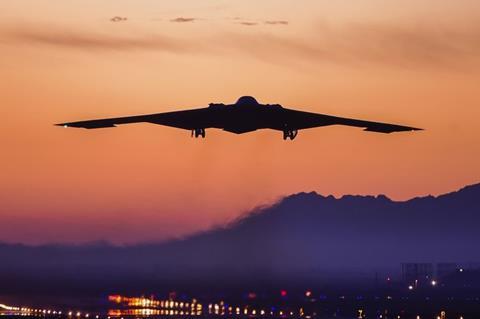
The B-2 pilots followed suit, the massive flying wings rolling slowly onto the taxiway, a stark and imposing sight on the runway.
As they moved to the threshold, they paused momentarily before applying full power.
The B-2 began its takeoff roll, while the escorting F-35 pilot positioned himself on the runway, ready to join the formation.
Once airborne, the formation came together, with bombers at the center and escort fighters flanking them.

They headed east, maintaining altitude and course as the coastline disappeared behind them.
The first tanker contact was made, and the B-2 moved in behind the KC-135, holding its position as the boom operator extended the refueling boom.
Fuel began to flow into the bomber as the pilot held steady, the margin between the aircraft measured in mere feet.
Once the tanks were topped off, the boom retracted, and the B-2 reestablished formation, continuing its journey toward Iranian airspace.
Meanwhile, a different kind of mission was already underway at an Allied base somewhere in the desert.
Transport and attack helicopters were being refueled on the runway, with ground crews working tirelessly to pump fuel into UH-60s and other airframes lined up in sequence.
These helicopters were not headed to Iran but rather to the border area to support whatever came next on the ground.
Soldiers formed up near the helicopters, moving in columns with full combat loads—weapons, body armor, ammunition, and packs.
They climbed aboard through rear ramps and side doors, the urgency palpable as they prepared for the mission ahead.
For many of these young soldiers, stepping onto that ramp for the first time marked a significant moment of realization.
The helicopter was no longer a training exercise; the desert below was not home.
Yet, they stepped in anyway, driven by duty and the mission at hand.
Once seated, cargo was loaded aboard, including crates of ammunition, medical supplies, and spare parts, all strapped down in whatever space was available.
The helicopters were not just transporting troops; they were delivering the essential infrastructure needed to sustain the fight.
One by one, the helicopters lifted off, turning toward the forward position, where the base they had just left shrank into a collection of tents and vehicles in the sand.
Upon landing at the forward position, troops exited before the rotors had even stopped turning, immediately beginning their work.
Tents were erected, positions were dug, and communication equipment assembled as a perimeter was established.
Within hours, a patch of open ground transformed into a functioning base, with supplies stacked, weapons ready, and soldiers positioned for whatever lay ahead.
The helicopters refueled from portable bladders on the ground before lifting off again to bring in the next load.
In this theater of war, there were no discussions about return dates.
There was only the mission, the perimeter, and the relentless sound of rotors in the distance, returning with more.