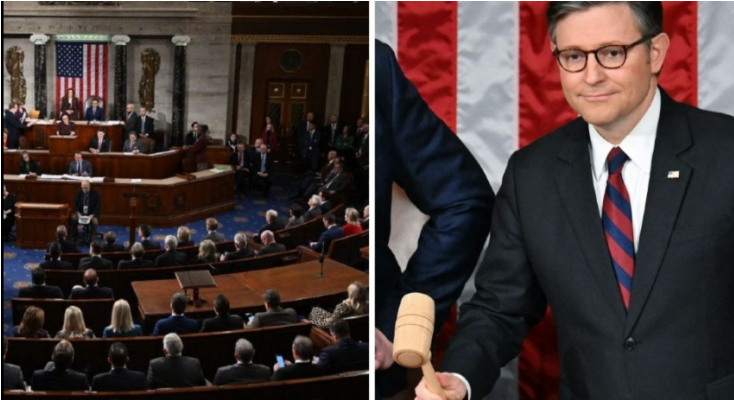
ROTOR Act House Vote Fails After Divided Decision
The ROTOR Act House vote ended with lawmakers rejecting the aviation safety bill 264 to 133. The proposal failed to reach the two-thirds majority required under a fast-track procedure.
More than 130 Republicans opposed the measure during the ROTOR Act House vote. Therefore, the bipartisan aviation safety proposal now faces an uncertain future in Congress.
Senate Approval Came Before ROTOR Act House Vote
The ROTOR Act House vote followed earlier action in the Senate. Lawmakers there unanimously approved the legislation, S 2503, in December.
However, the proposal stalled in the House due to opposition from Sam Graves of Missouri. He serves as chair of the House Transportation Committee.
Graves introduced a competing bipartisan proposal after the January 2025 crash near Ronald Reagan Washington National Airport. That accident killed 67 people and renewed calls for aviation safety reforms.
Families React to ROTOR Act House Vote Outcome
The ROTOR Act House vote drew emotional reactions from families of the crash victims. Many said they were devastated by the result.
They urged House leaders to bring the bill back for another vote soon. Meanwhile, supporters argued the legislation could improve aviation safety nationwide.
Ted Cruz of Texas also commented on the ROTOR Act House vote. He said the outcome represents only a temporary delay.
Cruz noted that a large majority of House members supported the proposal. Therefore, he believes lawmakers could eventually pass the bill.
Alternative Proposal Emerges After ROTOR Act House Vote
The ROTOR Act House vote may shift attention toward competing legislation. Graves said the result does not end the effort to improve aviation safety.
Instead, he argued the vote allows lawmakers to provide additional input. Graves also announced plans to advance his alternative proposal, the ALERT Act.
Meanwhile, lawmakers will continue discussing the best approach to aviation safety rules. The competing proposals could shape future debate in Congress.
Technology Requirement Central to ROTOR Act Debate
The ROTOR Act House vote focused heavily on a proposed technology requirement. The bill would require aircraft operating in busy airspace to install Automatic Dependent Surveillance-Broadcast In technology.
ADS-B In technology improves real-time aircraft location awareness. Supporters say it could strengthen aviation safety across the country.
Victims’ families, labor groups, and Jennifer Homendy supported the legislation. Homendy leads the National Transportation Safety Board.
However, Graves argued the mandate could burden general aviation operators. As a pilot, he said the requirement might create operational challenges.
Pentagon Concerns Raised Before the Vote
The ROTOR Act House vote occurred after concerns from the U.S. Defense Department. The Pentagon had previously supported the legislation.
However, officials reversed their position on Monday before the vote. They warned the bill could create unresolved budget burdens and operational security risks.
House GOP leaders privately told members the bill might fail due to those concerns. Still, Graves and Mike Rogers did not publicly whip votes against it.
Lawmakers Split During ROTOR Act House Vote
The ROTOR Act House vote exposed divisions among congressional leaders. Mike Johnson and Steve Scalise voted against the bill.
Meanwhile, ranking Democrats on transportation and armed services committees supported the proposal. The vote highlighted ongoing disagreements over aviation policy.
Additionally, an NTSB staff analysis raised concerns about the ALERT Act. The analysis said one provision would not implement the agency’s ADS-B In recommendation.
Calls Grow for Another ROTOR Act House Vote
After the ROTOR Act House vote, supporters called for another chance to pass the legislation. Don Beyer said he was heartbroken by the result.
Beyer also noted that several Democratic members missed the vote due to a historic blizzard in New England. Therefore, he suggested the outcome might have been different under normal circumstances.
Victims’ families also issued a joint statement after the vote. They said the bill failed due to “eleventh-hour objections built on misleading technical claims.”
Additionally, the statement cited the Pentagon’s policy reversal before the vote. Families urged House leaders to hold another vote under a simple majority threshold.
They ended their message with a firm statement about the ROTOR Act House vote. “We are not done.”