Barron Trump Draws Online Debate as War Discussion Intensifies
4
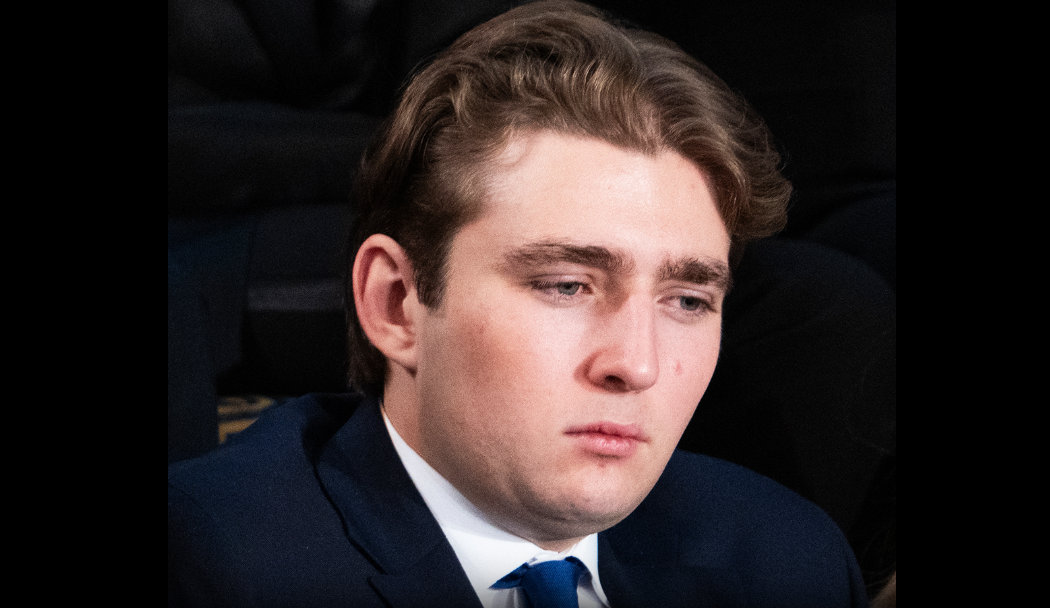
Public reaction has intensified online amid ongoing discussions about U.S. military involvement in Iran, with unexpected attention turning toward Barron Trump, the youngest son of Donald Trump. As the geopolitical situation continues to generate debate, social media has become a space where broader questions about leadership, responsibility, and military service are being projected onto public figures—including those not directly involved in policymaking.
Social Media Reactions Gain Momentum
In recent weeks, a wave of online commentary has focused on Barron Trump, who recently turned 20. Some users have argued that family members of political leaders should demonstrate personal involvement in conflicts they support, with posts suggesting he should enlist in the military.
A range of opinions has circulated, reflecting frustration with political leadership and broader concerns about war. Some comments emphasize symbolism—suggesting that participation by a leader’s family could represent solidarity with military personnel—while others frame the discussion as criticism of perceived distance between decision-makers and those affected by conflict.
Television Commentary Adds to the Conversation
The topic moved beyond social media when Lawrence O’Donnell addressed it during his program The Last Word. In his remarks, O’Donnell criticized Barron Trump for not enlisting, drawing comparisons to historical figures whose family members served during wartime.
He referenced examples such as the children of Franklin D. Roosevelt, who served during World War II, and Queen Elizabeth II, who took part in wartime service as a young woman.
“Imagine being more spoiled than an English princess… that is what it means to be a Trump,”
The comments sparked further discussion, with some supporting the critique while others questioned whether it is appropriate to direct such expectations toward individuals who are not elected officials.
Questions Around Military Service
At 20 years old, Barron Trump is within the age range commonly associated with military eligibility. However, in the United States, enlistment is voluntary, and there is currently no active draft.
Speculation has also emerged regarding whether physical factors—such as his reported height of around 6’7″—could influence eligibility for certain military roles. While some positions have physical requirements, height alone does not universally prevent service, though it may limit placement in specific roles involving confined environments.
A Broader Debate
The discussion ultimately reflects a larger conversation about public expectations during times of conflict. Critics argue that those connected to political power should share in the responsibilities tied to major decisions, while others maintain that military service is a personal choice and should not be imposed through public pressure—especially on individuals who are not policymakers.
There is also an ongoing debate about whether focusing on family members shifts attention away from the more substantive issues surrounding foreign policy, military strategy, and the human cost of war.
Where the Conversation Stands
As the situation continues to evolve, reactions remain divided. For some, the debate is about accountability and symbolism. For others, it raises concerns about fairness and the boundaries of public scrutiny.
What is clear is that the conversation extends far beyond one individual. It touches on deeper questions about leadership, responsibility, and how societies respond to conflict—both politically and personally.